For decades, the churn-and-burn model persisted. Hire ten hungry college graduates, give them a headset and a list, and burn through them until you find two stars. It’s been the standard practice since calls became cheaper than postage stamps.
Well, that model effectively died this year. The era of AI agents and specialized AI sales tools has made the human spam cannon economically indefensible.
There’s A LOT of Bad AI Tools for Sales
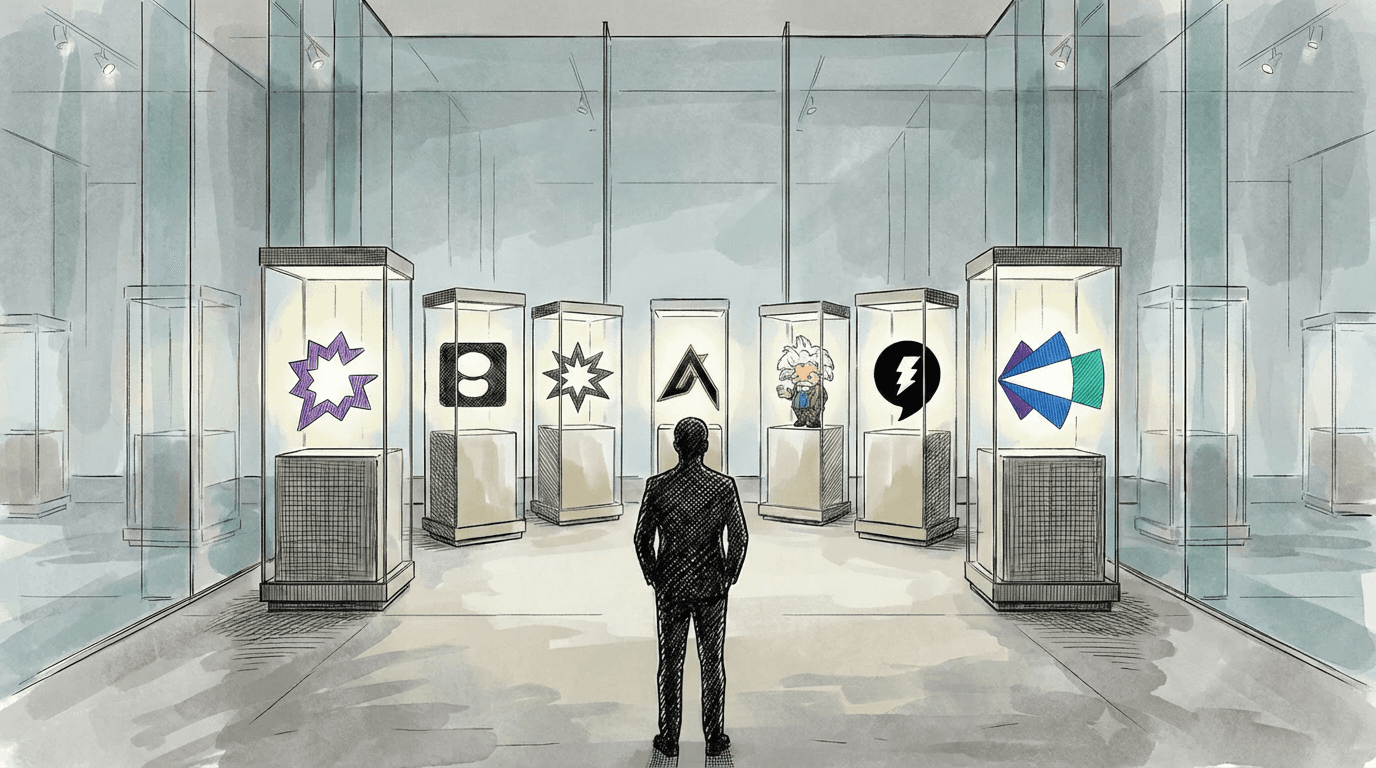
There is a plethora—trough, rather—of AI sales tools on the market charging enterprise premiums for consumer-level tech, a reality hardly unique to sales in this turbulent time of innovation. The bad AI sales tools are lazy wrappers where startups simply slapped a sales sticker onto a generic language model because of corporate FOMO.
Thus, sifting the signal from the noise can be tough. Here are the 8 best AI tools for sales that I recommend, who they are for, and what they actually cost.
The 8 Best AI Tools for Sales Teams
This is not to be viewed as a ranked leaderboard of AI sales tools. Rather, each tool is the best-in-class solution for a specific, distinct need within the sales cycle. Some are comprehensive platforms, while others are specialists at a certain stage of the workflow; all of them have passed my allergy toward gimmicky AI theatrics.
Tool | Category | Best For | The Himala Verdict |
CRM + Artificial Intelligence | Complex Enterprise Organizations | Einstein is powerful, but only if you have the budget for the external consultants required to set it up properly. It is not plug-and-play. | |
Data and Enrichment | High-Volume AI for Sales Prospecting Data | The best quality-to-price ratio for contact data on the market. It is the essential gasoline that powers every other AI agent in your stack. | |
Sales Engagement Platform | High-Volume Outbound Teams | Still the king of complex workflow management, though the user interface feels significantly heavier compared to newer competitors. | |
Meeting Intelligence | Universal ROI and Context | While not a dedicated sales tool, Himala AI solves the gap CRMs ignore: Preparation. It reads the prospect’s background and your internal context to ensure you never walk into a demo cold. | |
Revenue Intelligence | Enterprise Conversation Insights | Unmatched transcription accuracy and deal insights, but beware the forced bundling that can drive prices up to $250/user for features you might not use. | |
All-in-One Sales Platform | Small to Mid-Market Teams | The Apple of sales software. It just works, and the new Breeze AI agents are surprisingly capable for teams that don't want a complex tech stack. | |
Forecasting and Revenue Operations | Chief Revenue Officers and RevOps | If you need to know exactly where you will land this quarter within 2% accuracy, this is non-negotiable. It stops the gut feeling forecasting. | |
Conversational Artificial Intelligence | Inbound Lead Capture | While your team sleeps, Drift acts as the 24/7 SDR, engaging website visitors and booking qualified meetings instantly so no inbound interest is lost. |
Salesforce (Sales Cloud Einstein)
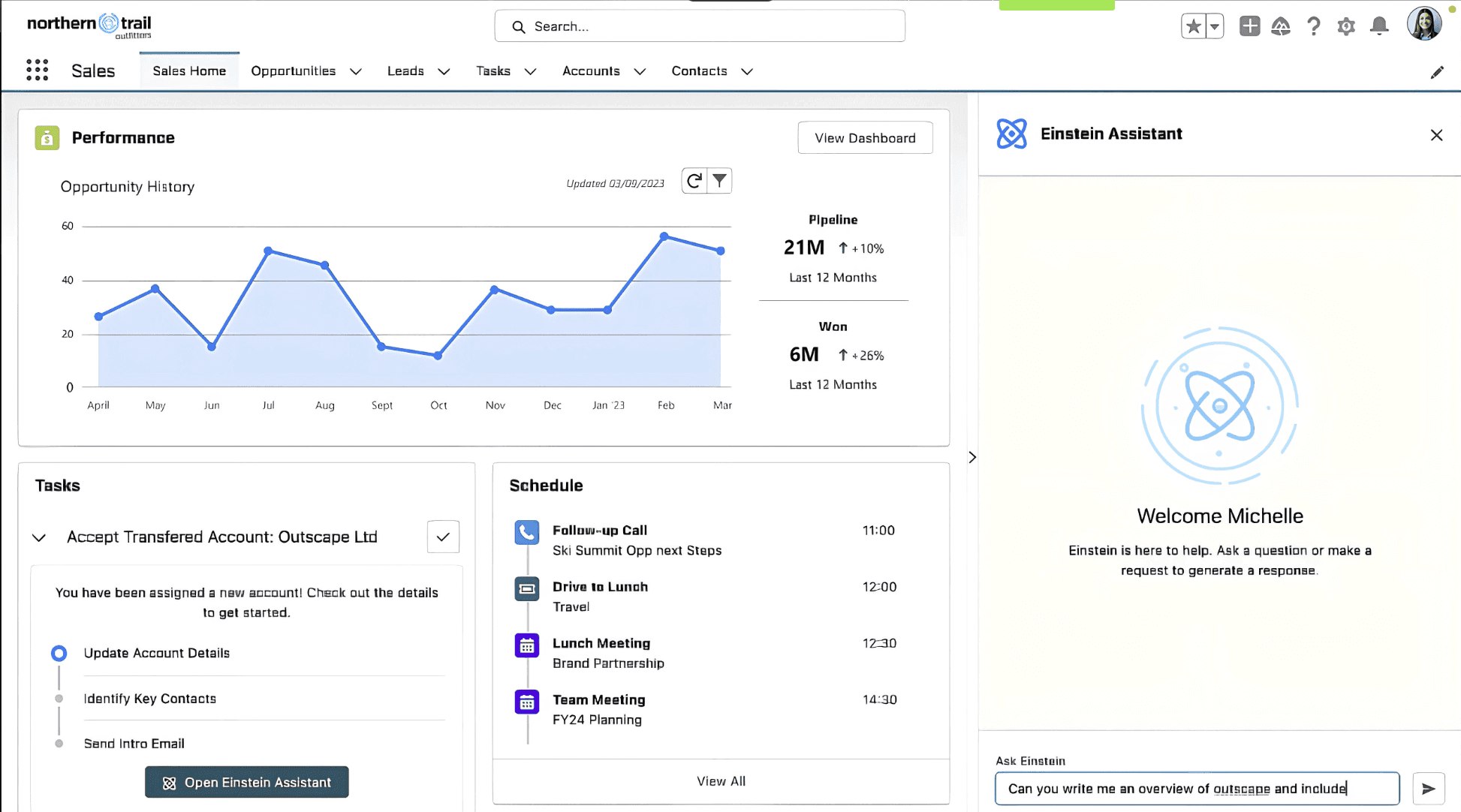
While most tools on this list are applications you use, Salesforce is the infrastructure you build on. Today, it remains one of the few platforms capable of handling the complexity of a Fortune 500 company. This tool is the world’s largest CRM provider—a $228 billion company—so it should come as no surprise that its AI implementation is cleverly designed for massive industrial scale.
The Platform Overview
If you looked at Salesforce five years ago, it was primarily a system of record, a place where you logged what happened after the fact. Today, with the rollout of Agentforce—effectively the hands that give the database agency—it has transformed into a launchpad for autonomous agents. It creates a unified Data Cloud where every email, meeting, and support ticket lives, allowing AI to move beyond simple prediction to actual execution.
The Problem Salesforce (Sales Cloud Einstein) Solves
In a fragmented tech stack, data lives on islands; marketing has one truth, sales has another, and customer success has a third. This fragmentation makes AI dangerous because agents that lack full context are prone to costly hallucinations. Salesforce solves this by functioning as the central nervous system, ingesting signals from every other tool to create a single source of truth. It ensures your AI agents don’t email a prospect who just opened a critical support ticket five minutes ago.
Key AI Features
Agentforce: A suite of autonomous agents that can resolve customer inquiries, update records, and trigger workflows without human input.
Einstein Opportunity Scoring: Analyzes historical win rates and external signals to score deals from 1–99, telling reps which opportunities are real and which are distractions.
Einstein Forecasting: Uses AI to accurately predict where the quarter will land by analyzing your pipeline’s health, flagging at-risk deals that human reps might be hiding.
Einstein Lead Scoring: Prioritizes the top of the funnel by analyzing your history of converted leads. Einstein Lead Scoring tells representatives exactly who to call first based on firmographic fit and engagement signals.
Generative Email: Uses CRM context (past notes, open cases, etc) to draft personalized emails that sound like they came from a human, not a template.
The Good, The Bad, and The Cost
The Good: Unmatched customization. If you can dream of a sales process, you can build it here. The ecosystem is vast; every other tool on this list integrates here first.
The Bad: This AI sales tool—infrastructure, rather—is not plug-and-play by any means. Getting the AI to work requires pristine data, which usually means hiring expensive third-party consultants.
The Cost:
Item | Price (Estimated) | Notes |
Software Licenses (Recurring) | ||
License (Enterprise) | $165 / user/mo | Standard entry for serious teams. Requires add-ons for AI. |
License (Unlimited) | $330 / user/mo | Most Einstein features included. Best for flexibility. |
Einstein 1 Edition | $500 / user/mo | The "All-in-One" tier. Includes Copilot, Data Cloud credits, and Slack. |
AI Add-Ons | ||
Sales Cloud Einstein | $50 / user/mo | Adds core AI (Lead/Opportunity Scoring) to lower tiers. |
Agentforce for Sales | ~$125 / user/mo | Required for autonomous agents (or billed via consumption credits). |
Full AI Stack | ~$825 / user/mo | Estimated total for a fully maxed-out deployment (Unlimited + Agentforce + Data Cloud). |
Services | ||
Implementation | $75k – $200k | Year 1 cost for mid-market (Consulting, Migration, Config). |
Ent. Implementation | $200k – $500k+ | For multi-cloud, complex enterprise integrations. |
Ongoing Support | $24k – $60k / yr | Typical post-launch cost for managed services/optimization. |
Prices may vary based on negotiation, contract length, add-on selection, and volume discounts.
Should you buy Salesforce (Sales Cloud Einstein)?
Buy this AI sales tool if you are a large organization where standardization is more important than speed. Skip it if you are a team of under 50 reps. The administrative burden will slow you down more than the AI will speed you up.
Outreach
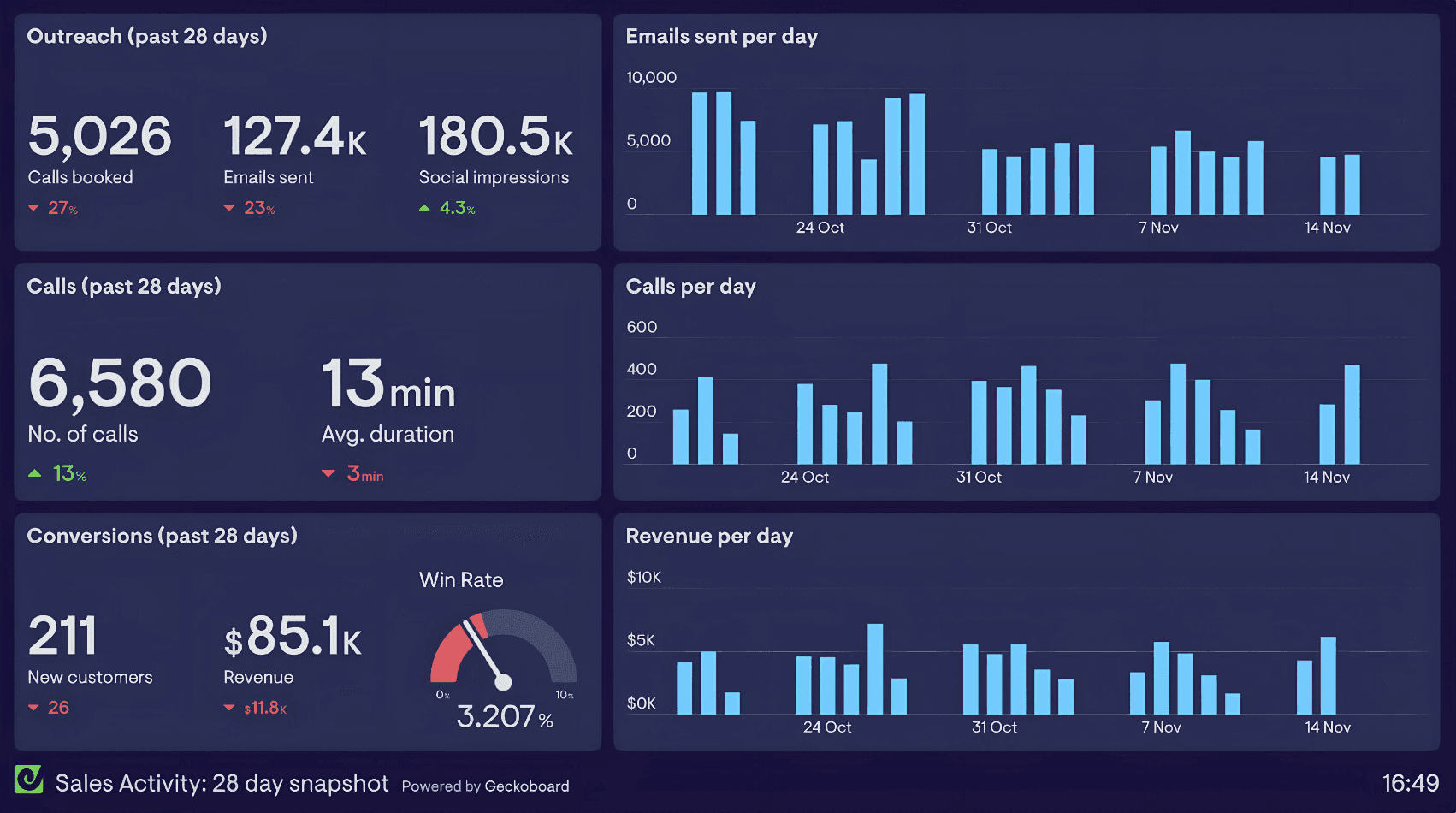
Outreach acts as the central command center for large sales teams, converting high-level strategy into thousands of executed daily touchpoints. This AI sales tool is great for automating the grunt work of follow-ups and ensuring that no prospect slips through the cracks due to human errors.
The Platform Overview
Outreach focuses on managing complex workflows for large teams, ensuring that no lead falls through the cracks. Unlike lighter tools, Outreach enforces compliance, preventing reps from sending off-brand messages or skipping steps. It is the heavy-duty machinery required when you have 50+ SDRs who need to march in lockstep.
The Problem Outreach Solves
Most sales leaders have a clear strategy for how to close a deal. But without software to enforce it, that plan falls apart the moment a salesperson gets busy. The result is lost revenue simply because a rep forgot a follow-up or went off-script. Outreach solves this by hard-coding your strategy into the daily workflow.
Key AI Features
Smart Email Assist: Reads the prospect’s reply and auto-drafts the correct response while automatically snoozing the task in the CRM.
Kaia Meeting Assistant: A real-time meeting co-pilot that joins calls, transcribes them, and auto-fills CRM fields to ensure data accuracy.
Sentiment Analysis: Scans thousands of replies to map market sentiment, telling managers which messaging is landing and which is annoying prospects.
The Good, The Bad, and The Cost
The Good: The most robust workflow governance on the market. Deep integration with Salesforce ensures data integrity. Excellent reporting for managers.
The Bad: The user interface feels heavy and dated compared to modern, AI-native tools. Outreach is one of the best AI tools for sales, but it can feel like a chore for reps to use.
The Cost:
Item | Price (Estimated) | Notes |
Software Licenses | ||
Standard License | $100 – $135 / user/mo | Base engagement (email/sequences). Includes basic workflow AI. |
Professional License | $135 – $160 / user/mo | Adds Deal Insights, Sentiment Analysis, and advanced reporting. |
Enterprise / Kaia | $160+ / user/mo | Includes Kaia (Conversation Intelligence) and advanced governance. |
Unlimited | $200+ / user/mo | For massive scale. Unlimited credits, full AI suite, and priority support. |
Hidden Fees and Terms | ||
Implementation | $5k – $50k | Mandatory paid setup fee. Varies based on Salesforce complexity. |
Contract Terms | Annual Only | Strict 12-month lock-in. Auto-renewal clauses can be hard to exit. |
Ongoing Support | $15k – $40k / yr | Optional, but recommended for large teams to manage rule updates. |
Prices are estimates; Outreach does not publish fixed rates, and quotes vary based on user count, add-ons, and negotiation.
Should you buy Outreach?
Buy it if you have a large team (20+ reps) and need consistency. When you are managing that many people, you need a rigid system to ensure everyone is marching in the same direction. Skip it if you are a small startup.
Apollo.io
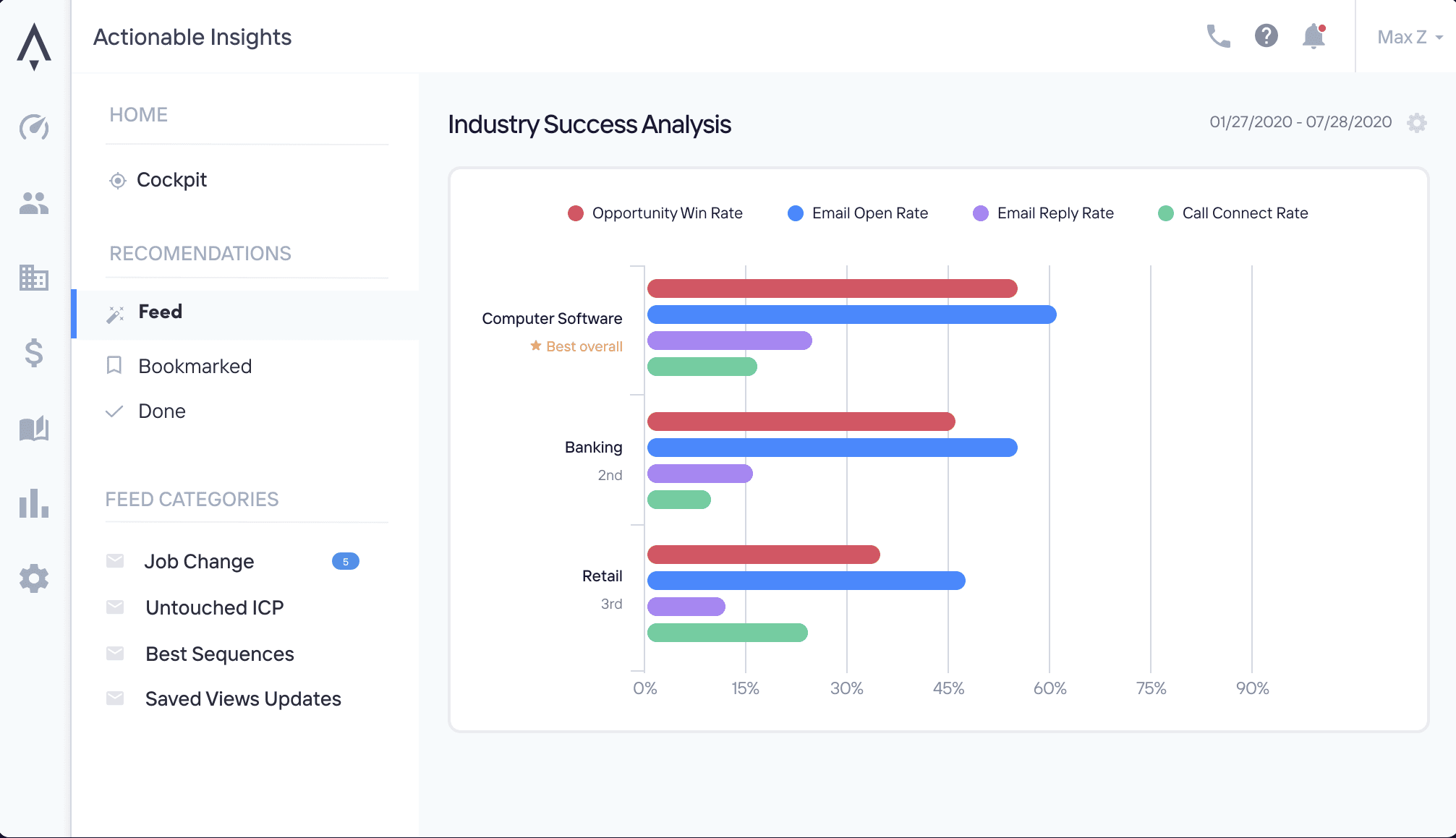
Apollo.io has effectively commoditized the contact data market by offering a massive database of 275M+ contacts combined with a built-in engagement platform. While legacy competitors guard their data behind five-figure contracts, Apollo democratized access.
The Platform Overview
Apollo works by crowdsourcing data from its users, allowing it to offer volume and pricing that legacy competitors struggle to match. While it’s pivoting into a full all-in-one sales suite (adding deal management and call recording), its primary value remains its ability to provide the raw materials—emails and phone numbers—that every other AI agent needs to operate.
The Problem Apollo.io Solves
You cannot sell to ghosts. The discovery gap is the friction between identifying a target market and actually having the verified phone numbers to reach them. In modern sales, data decays at ~3% per month. Apollo solves the problem of access, giving you the sheer volume needed to feed hungry AI agents that can burn through 1,000 leads a week without breaking the bank.
Key AI Features
Buying Intent 2.0: It doesn't just track who visits your website. It scores accounts based on hiring trends and technographic changes (e.g., "They just installed a competitor's tool"), allowing you to time your outreach when a company is actually bleeding money on a problem.
AI Personalization: Scans a prospect's LinkedIn activity and news mentions to generate unique "hooks" for cold emails, moving beyond the generic "I hope this finds you well."
Smart Sequencing: Automatically adjusts follow-up timing based on when specific prospects are statistically most likely to open emails, rather than just sending at 9 AM.
AI Conversations: Records calls and extracts key keywords and next steps, attempting to provide a "Lite" version of Gong within the prospecting workflow.
The Good, The Bad, and The Cost
The Good: Incredible value. The filtering capabilities are granular, and its international data coverage often beats ZoomInfo.
The Bad: While plans advertise unlimited email credits, mobile numbers cost significantly more (often 5-10 credits per number). Heavy users frequently hit hidden caps or export limits and are forced to buy expensive "Top-Up" packs. Also, because they prioritize volume, you will find retired prospects listed as current VPs.
The Cost:
Plan | Price (Estimated) | Notes |
Professional | $79 / mo (Annual)$99 / mo (Monthly) | Standard for most SDRs. Includes “unlimited” email credits, but capped at 1,200 mobile credits/year (100/mo). |
Organization | $119 / mo (Annual)$149 / mo (Monthly) | Minimum 3 users. Adds call recording, international dialing, and 2,400 mobile credits/year (200/mo). |
Hidden Costs | ||
Top-Up Credits | ~$0.20 / credit | If you hit your mobile limit, you pay extra. Minimum purchase is usually ~$50 (250 credits). |
Credit Burn | Variable | Exporting a contact to CSV or Salesforce burns credits. Revealing a mobile number burns credits. It adds up fast. |
All plans include a set number of mobile and export credits per user per year, with higher tiers offering more credits.
Should you buy Apollo.io?
Apollo.io is the most cost-effective way to get accurate contact data. Even if you use other tools for sending, you likely need Apollo just for the phone numbers. Warning: Don't fall for the "All-in-One" pitch yet. Use it for finding people, but keep your CRM as the brain.
Himala
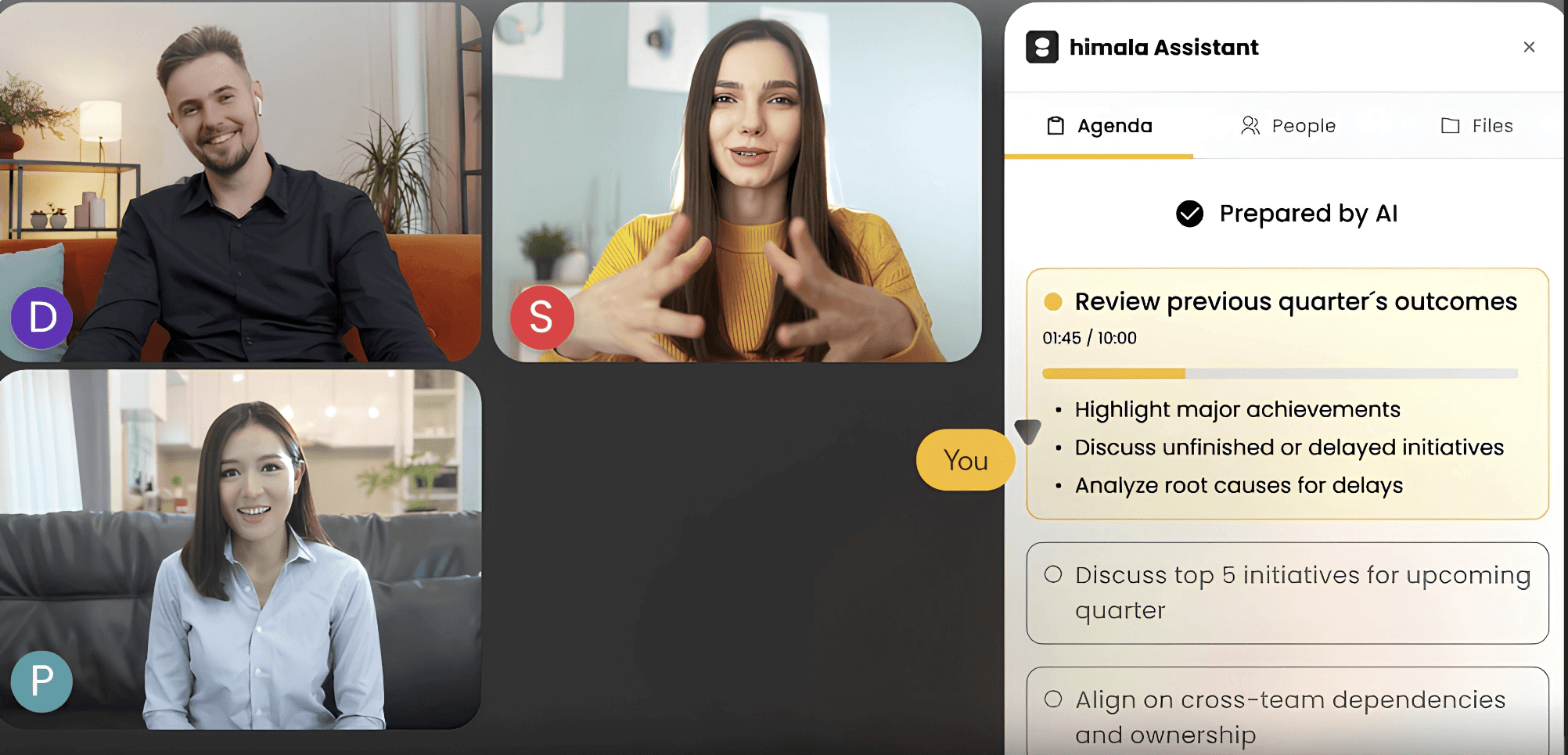
Unlike the other heavyweights on this list, Himala isn’t strictly an AI sales tool, and that is its hidden advantage. By operating at the calendar layer rather than the CRM layer, it acts as a universal intelligence engine that unifies context for any high-stakes interaction, not just sales calls.
The Platform Overview
While Himala is widely recognized for automating pre-meeting research and providing users with instant attendee profiles, viewing Himala only as a prep tool is a mistake. This tool serves as the connective tissue between your scattered apps (Slack, Drive, Email). Instead of a rep frantically Googling a company five minutes before a demo, Himala reads the prospect's annual reports, recent news, LinkedIn activity, and—crucially—your own internal company history to build a comprehensive briefing.
The Problem Himala Solves
CRMs store data, and call recorders capture the conversation, but there is a massive void in the middle: Context. This is the gap where a rep might know the deal stage but overlooks the fact that the prospect just emailed support about a bug or that a colleague on the product team DM’d them on Slack yesterday. Himala solves the problem of fragmented intelligence. The time wasted manually piecing together a narrative from five different tabs before a call starts is eliminated entirely.
Key AI Features
Attendee Insights: Acts as an automated background check for every name on the calendar invite. Himala’s omni-view feature, Attendee Insights, scans public data, LinkedIn, and company news to generate instant, enriched dossiers on every participant.
Talking Points: Based on the attendee research and your internal context, the Talking Points generate specific, strategic conversation starters. It helps you bridge the gap between small talk and business value, moving you past “How is the weather?” to “I saw your team just launched...”
AI Agendas: Most meetings wander because they lack structure—and that costs a fortune. US companies alone burn a staggering $399 billion on unnecessary meetings every year. Himala’s AI Agendas helps you stop contributing to that statistic by ensuring no call ever starts without a sufficient purpose.
The Good, The Bad, and The Cost
The Good: Extremely fast time-to-value; no implementation or consultants needed. Himala solves a specific pain point that broad CRMs ignore.
The Bad: Himala is a specialist tool, not a system of record. It enhances your CRM, but it does not replace the need for one.
The Cost:
Item | Price (Estimated) | Notes |
Free | $0 / month | Basic context and limited meeting briefs. |
Pro (Monthly) | ~$25 / user/month | Full research capabilities and unlimited history. |
Pro (Annual) | ~$12.49 / user/month | Significant discount (~50%) for annual commitment. |
Implementation | $0 | Purely self-serve; no hidden setup fees. |
Should You Buy Himala?
Himala offers the highest immediate Return on Investment for individual reps. If it saves you from asking “So, what do you guys do?” just once, it has paid for itself. By turning the 15 minutes of research you should be doing into a 30-second review, it allow you to skip the basics and start the conversation at a strategic level. Hence, Himala is a worthy purchase for most businesses.
Gong
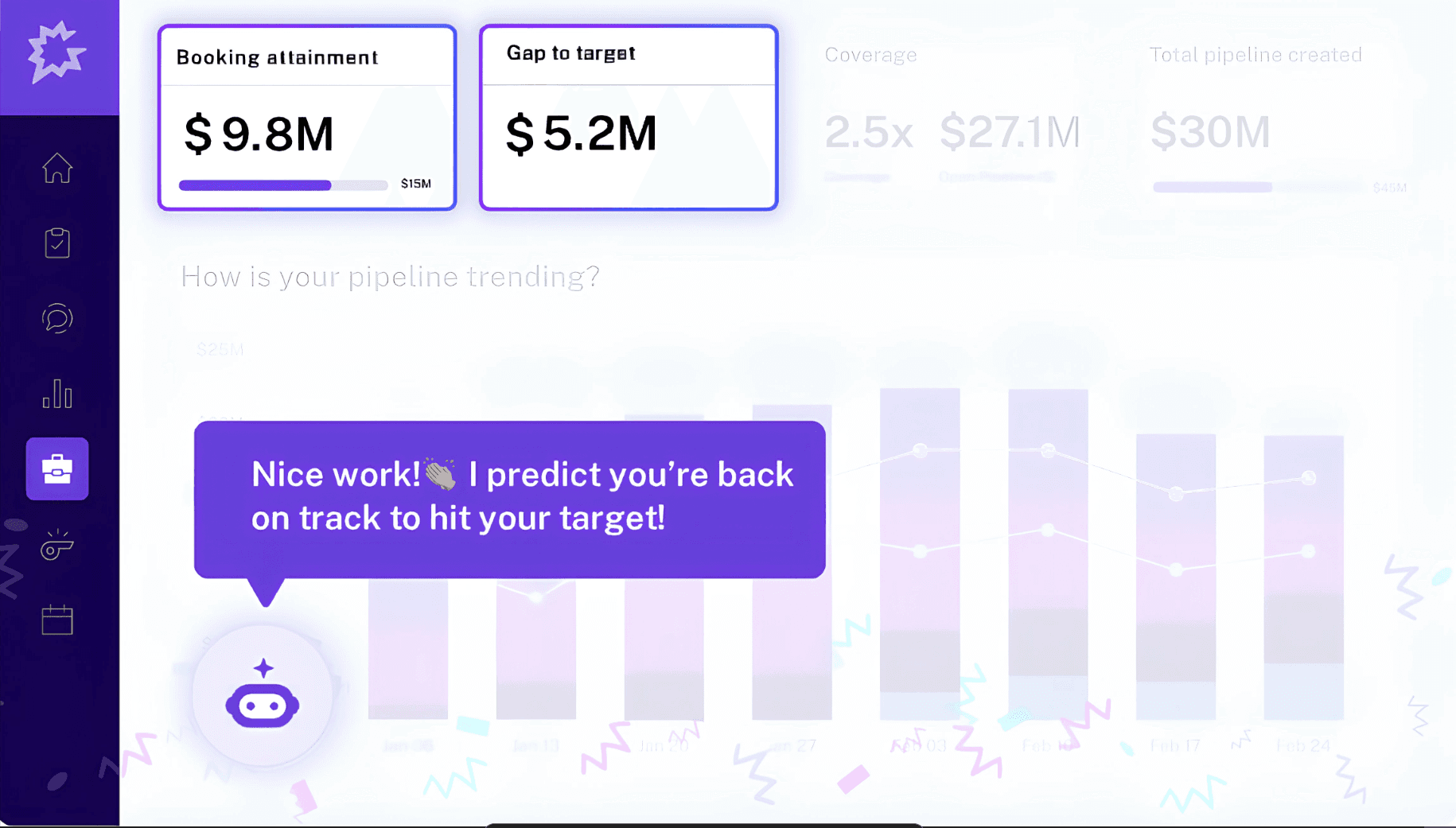
While it started as a conversation intelligence tool, Gong has aggressively pivoted to become a full revenue operating system. This AI sales tool is no longer just listening; it’s attempting to replace your forecasting tool (Clari) and your engagement tool (Outreach) in a single platform. This ambition makes it powerful, but it also makes it expensive.
The Platform Overview
Gong remains the gold standard for understanding the reality of your pipeline. Unlike standard transcription tools that simply convert speech to text, Gong’s engine is trained specifically on B2B sales interactions. It indexes every word spoken, creating a searchable database of your market. This allows you to treat your sales floor like Google—searching thousands of hours of audio instantly for phrases like “competitor pricing” or “budget freeze”.
The Problem Gong Solves
Your CRM is full of fiction, likely and largely containing what your sales reps hope happened, not what actually happened. The problem isn’t recording calls; the problem is that leadership is making decisions based on bad data. Gong solves the gap between rep optimism and market reality.
Key AI Features
Smart Trackers: Automatically flags whenever a competitor, pricing, or specific feature is mentioned across thousands of calls, creating an instant market feedback loop.
Deal Reality Score: Uses AI to predict if a deal is actually real based on prospect behavior (e.g., ghosting, multi-threading) rather than the rep's optimism.
Ask Gong: A ChatGPT-style interface that allows you to query your database of calls.
The Good, The Bad, and The Cost
The Good: Unmatched transcription accuracy. It is the essential tool for coaching and verifying pipeline health. The deal board feature provides instant visibility for managers.
The Bad: You can no longer easily buy just the call recording; you are often pushed into buying their Forecasting and Engagement modules, too.
The Price:
Item | Price (Estimated) | Notes |
Software Licenses | ||
Foundation (Base) | ~$120 / user/mo | Core conversation intelligence (recording/transcription only). Hard to buy standalone. |
Bundled Platform | ~$250 / user/mo | The new standard. Includes Forecast and Engage modules. Gong sales reps aggressively push this tier. |
The Gong Tax | ||
Platform Fee | $5,000 – $50,000 / yr | Mandatory. A flat annual fee charged on top of licenses, based on company revenue/size. |
Implementation | $15k – $65k (One-time) | Professional services fee for setup, training, and integrations. |
Contract Terms | 2–3 Year Lock-in | Annual contracts are standard, but multi-year deals are heavily promoted to avoid annual price uplifts (typically 7-10%). |
Bundled packages are now the default; buying only Foundation is difficult and often not offered.
Should you buy Gong?
Buy it if you are a mid-to-large team where accurate data is worth a premium. It is still the best product in its category. Skip it if you are budget-conscious. The price hike has opened the door for cheaper competitors.
HubSpot Sales Hub
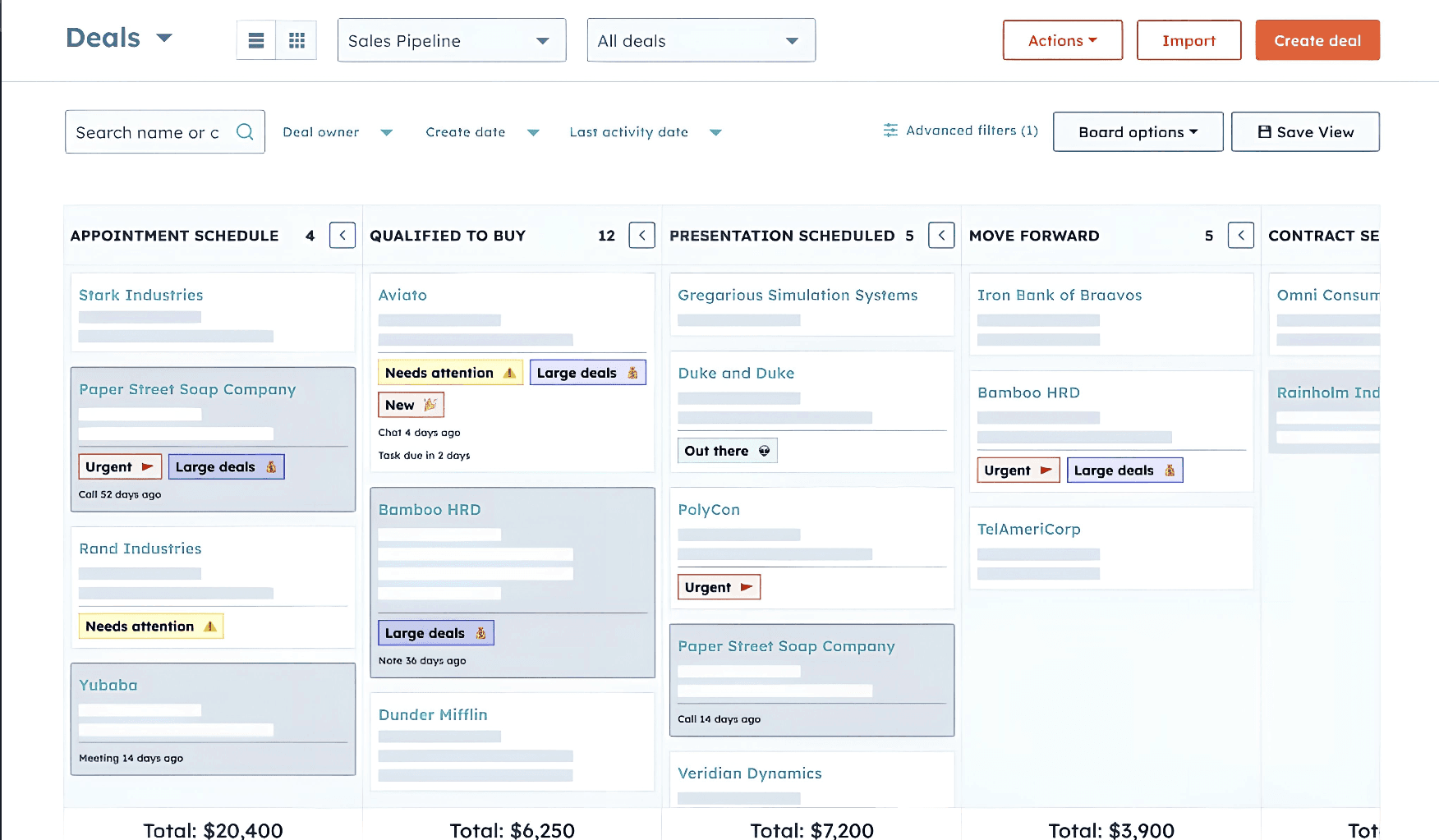
HubSpot is the Apple of sales software, not because of market shares, but because its AI sales tool prioritizes usability above all else. With recent updates, HubSpot has integrated autonomous agents directly into the CRM workflow.
The Platform Overview
Because HubSpot stores Marketing, Sales, and Service data in one unified codebase (unlike Salesforce’s acquired clouds), its AI has a distinct advantage: it sees the entire customer journey. It removes the admin tax that slows down reps, allowing them to manage email, calls, and deal stages in one fluid interface.
The Problem HubSpot Solves
In sales, friction kills deals. The Velocity Gap occurs when reps have to switch between five different tabs (Email, CRM, LinkedIn, Slack) to do a single task. An All-in-One platform removes this tax, keeping the rep in a single flow state.
Key AI Features
Breeze Customer Agent: An autonomous bot that lives on your site to handle inbound questions and qualify leads 24/7.
Content Remix: AI that can turn a single sales email into a LinkedIn post, blog post, or follow-up sequence instantly.
Predictive Lead Scoring: Uses data from the entire marketing funnel (website visits, email clicks) to score leads, providing higher accuracy than tools that only see sales data.
The Good, The Bad, and The Cost
The Good: Easiest interface to use on the market. Unified data means the AI works out of the box, with fast self-serve setup.
The Bad: Gets very expensive as you scale contact tiers. The Prospecting Agent features still require human supervision.
The Cost:
Plan | Price (Estimated) | Notes |
Sales Hub Pro | $90 – $100 / user/mo | The sweet spot. Includes 5 seats minimum (so ~$450/mo entry price). |
Sales Hub Enterprise | $150 / user/mo | Required for custom objects and advanced permissions. 10 seats minimum (so ~$1,500/mo entry price). |
Hidden Fees | ||
Onboarding | $1,500 – $3,500 | Mandatory One-Time Fee. You cannot skip this unless you buy through a certified partner who might waive it. |
Contact Tiers | Variable | If you bundle Marketing Hub, pricing scales rapidly based on contact volume (e.g., +$225/mo for extra contacts). |
Contract | Annual Only | Pro and Enterprise require a 12-month commitment. |
Pro and Enterprise plans are per-seat, with unlimited view-only seats for reporting and analytics.
Should you buy HubSpot Sales Hub?
For 90% of companies (under 500 employees), this is the best balance of power and usability.
Clari
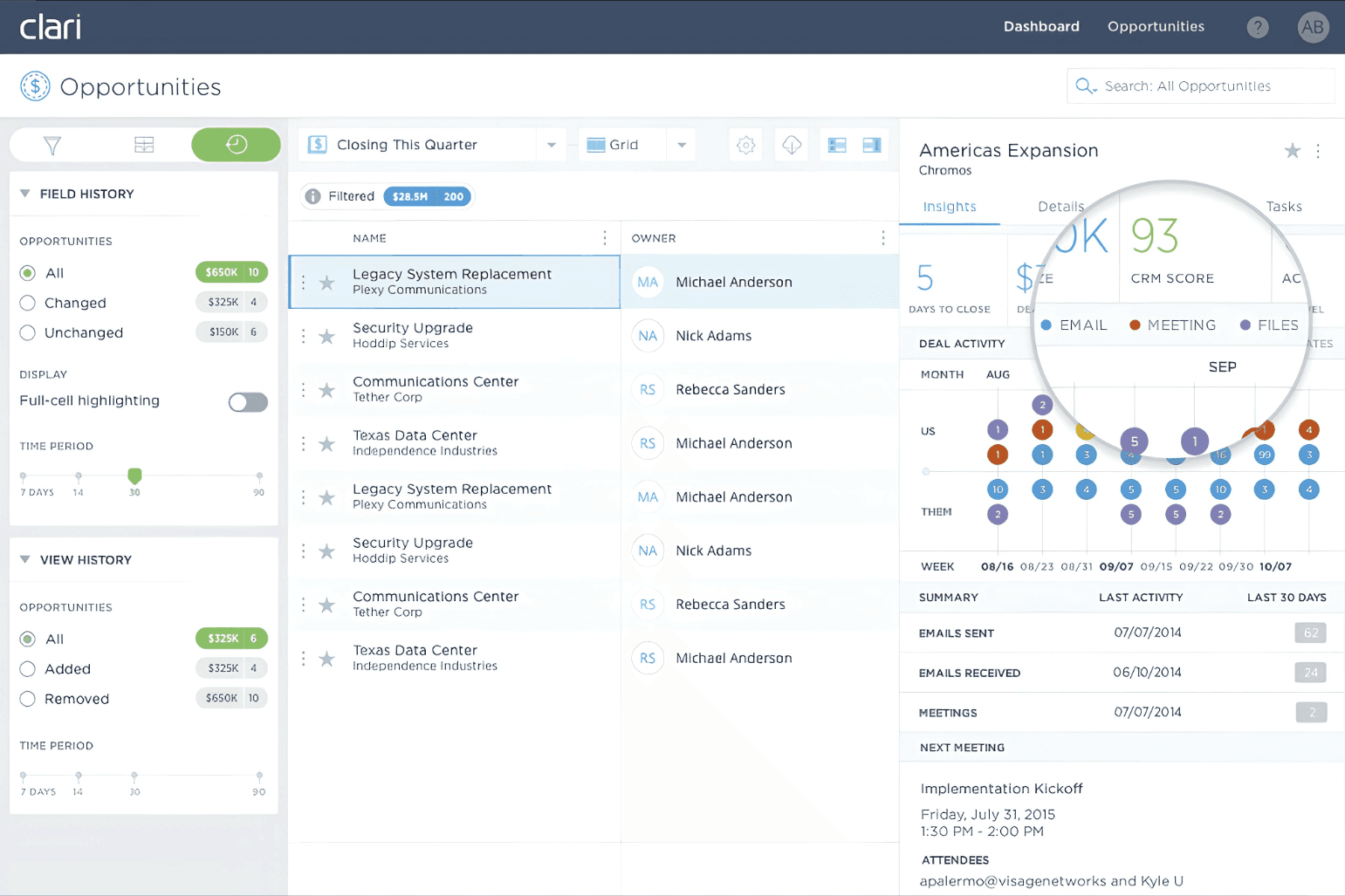
Clari isn’t for the sales rep; it’s for the Chief Revenue Officer. It connects to every signal in your company to create a bird’s-eye view of where the quarter will land. The reason companies pay big bucks for Clari is to solve a leadership problem, not a rep problem.
The Platform Overview
Clari operates as a unified Revenue Platform designed to bring scientific rigor to forecasting. By automatically ingesting every revenue signal across CRM, email, calendar, and DocuSign, the platform applies predictive modeling to project landing numbers with up to 98% accuracy. This turns revenue data into a reliable instrument, allowing public companies to report to Wall Street with confidence.
The Problem Clari Solves
Sales reps live in the now, but executives live in the future. The prediction gap refers to the inability of leaders to accurately forecast revenue due to sandbagging (hiding deals) or happy ears (over-optimism) from reps. Clari solves this by ignoring what reps say and looking at what they do.
Key AI Features
Revenue Copilot: An AI agent that answers executive questions like “Which deals are stalling?” or “How much coverage do we have for Q3?”
Auto-Capture: Automatically logs contacts and activities into the CRM, ensuring the data foundation is accurate without manual entry from reps.
Deal Inspection: Visualizes deal rot and momentum risk in a way standard CRMs cannot.
The Good, The Bad, and The Cost
The Good: The most accurate forecasting engine available. Trusted by public companies. Excellent UI for board-level reporting.
The Bad: Very expensive and requires a mature sales process. If your team doesn’t have a structured process, Clari can’t predict it.
The Cost:
Item | Price (Estimated) | Notes |
Software Licenses | ||
Core Forecasting | $100 – $125 / user/mo | Base platform for Revenue Ops. Includes forecasting, pipeline analytics, and "Flow" inspection. |
Full Stack (Revenue Platform) | $250+ / user/mo | The "All-in-One" bundle. Includes Clari Copilot (CI) and Groove (Engagement). |
Hidden Fees & Terms | ||
Implementation | $15k – $75k (One-time) | Significant cost. Varies by Salesforce complexity. Includes data mapping and custom forecast hierarchy setup. |
Contract Terms | Multi-Year | 1-year deals are rare. Clari typically pushes for 2-3 year commitments with annual price uplifts (5-7%). |
Minimums | $30k – $50k ACV | Clari generally ignores deals below a certain floor, making it inaccessible for small teams. |
Implementation fees are substantial and can double the first-year cost per user.
Should You Buy Clari?
Buy it if accurate forecasting has become a board-level requirement. When “I think we'll hit the number” is no longer an acceptable answer for your investors, Clari is the necessary evolution from spreadsheets. Skip it if your sales process is still fluid.
Drift
Drift pioneered conversational marketing, moving the industry away from static forms and toward real-time engagement. Now part of the Salesloft platform, it functions as a 24/7 Sales Development Representative (SDR) that lives on your website.
The Platform Overview
Forms are dead; buyers want answers now. Drift acts as a sophisticated gatekeeper. It has moved beyond simple decision-tree chatbots to bionic AI that can digest your help documents and answer complex questions with fluency. This AI sales tool creates a fast lane for high-value buyers, allowing them to skip the line and book meetings instantly.
The Problem Drift Solves
Most B2B websites operate like an empty shop floor: thousands of potential buyers browse your aisles (pages), but you have no idea who they are until they raise their hand. Drift solves the problem of anonymity. By de-anonymizing IP addresses and engaging visitors based on who they are, it turns passive window shoppers into active conversations before they bounce.
Key AI Features
Bionic Chatbots: AI that learns from your website content to answer open-ended questions without needing a pre-written script.
Deanonymization: Identifies anonymous website visitors by IP address to tell you which target accounts are browsing your site, even if they don’t chat.
Fast Lane: Automatically recognizes VIP accounts and lets them skip qualification questions to book a meeting instantly.
The Good, The Bad, and The Cost
The Good: Drastically increases inbound conversion. High-quality routing ensures the right lead goes to the right rep.
The Bad: Premium features are expensive. Chatbots can be annoying to users if not configured with high sensitivity.
The Cost:
Plan | Price (Estimated) | Notes |
Premium | ~$2,500 / month | Entry Level. Includes Live Chat, Meetings, and Intel (Deanonymization). Note: Bots at this level are often rule-based, not AI. |
Advanced | Custom Quote | Adds A/B testing, advanced routing, and a dedicated Customer Success Manager (CSM). |
Enterprise | Custom Quote | Required for AI. Typically, where Bionic Chatbots (Generative AI) and complex role-based permissions live. |
Hidden Fees | Varies | "Bionic Chatbots" are often priced as an add-on based on conversation volume. Implementation fees can run $5k+. |
Contract | Annual Only | Strictly enforced 1-year commitments. Early termination is notoriously difficult. |
Should you buy Drift?
Buy it if you have significant website traffic (>10k visitors/mo) and a complex sales team routing structure. Skip it if you are small. Use HubSpot’s built-in chat instead.